

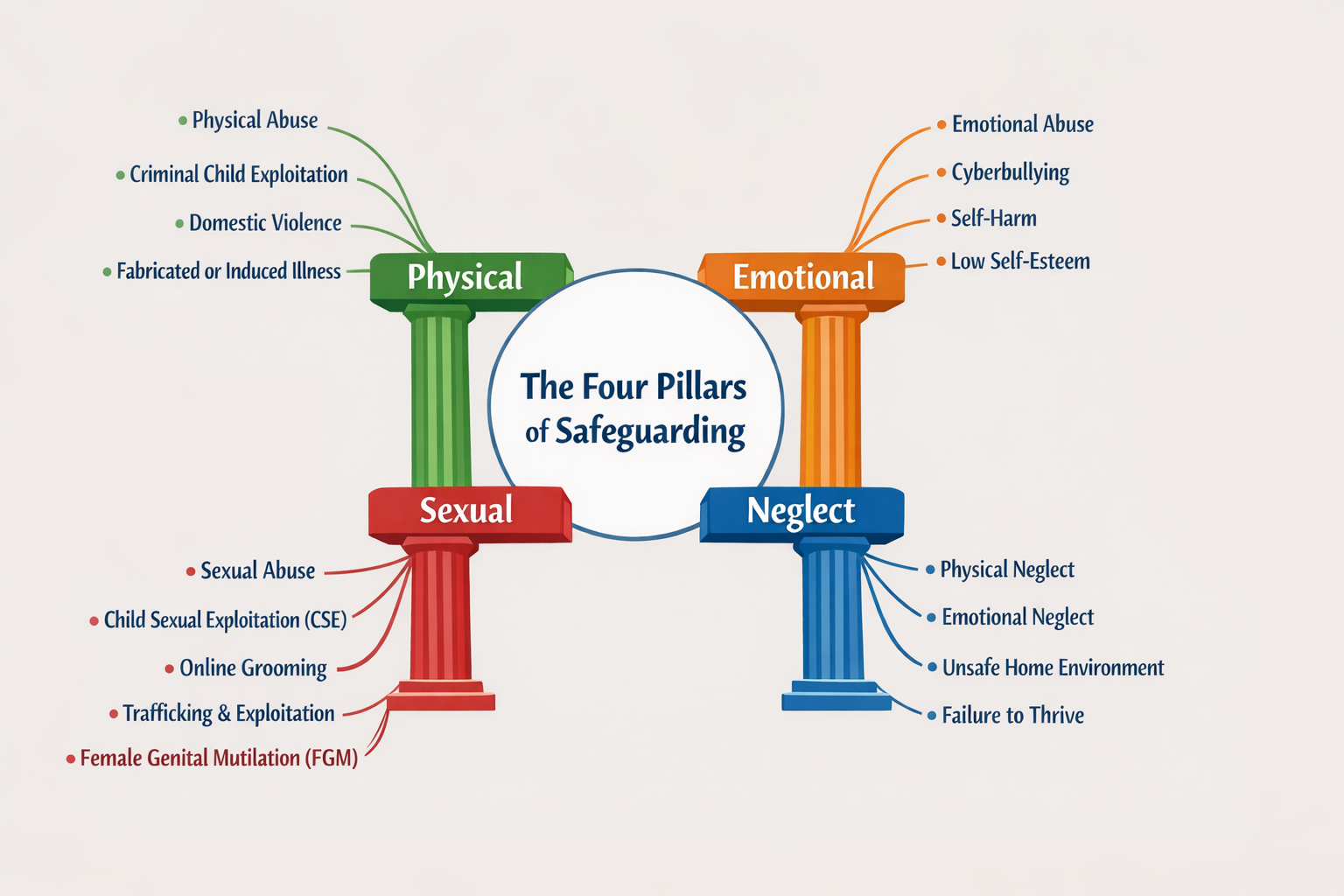
The Statutory Framework: Pillars of Protection


Statutory Categories: Foundations of Recognition
Working Together 2023
The Duty of Vigilance: Consistency.
Abuse is often a combination of factors. Look for the “interconnectivity” of indicators to form professional judgement.
 © Lane Anthony
Case Study: Sara Sharif (Physical Abuse)

Professional Analysis: Sara suffered extensive physical abuse masked by a narrative of “unruliness.”
In practice, be alert to multiple injuries at different stages. injuries in SEND learners are often dismissed as “meltdowns.” Apply professional curiosity.
Case Study: Arthur Labinjo-Hughes (Emotional Abuse)
 © Lane Anthony
Professional Analysis: Arthur was subjected to psychological torture and isolation.
Look for signs of “fading away.” Emotional abuse leaves no scars but manifests as total loss of Joy. Arthur’s cries for help were ignored.
Case Study: Vincent Chan (Sexual Abuse & Grooming)
 © Lane Anthony
Professional Analysis: Exploitation by a trusted nursery practitioner.
Monitor adult-child boundaries with total consistency. Never assume a “friendly” adult is safe if they isolate a learner.
Case Study: Baby Victoria (Chronic Neglect)
 © Lane Anthony
Professional Analysis: Death from exposure following transience and omission of care.
Neglect is an omission of care. Report the very first omission of a basic survival need.
Introduction: County Lines
 © Lane Anthony
Criminal Exploitation: Urban gangs using children to transport drugs.
Coercion through debt-bondage. Neurodivergent learners are targeted for their loyalty. Choice is irrelevant.
Digital Case Study: Molly Russell
 © Lane Anthony
Professional Analysis: Danger of algorithm content (Content Risk).
Monitor if online feeds reinforce harmful thoughts. Molly died after algorithmic exposure to self-harm.
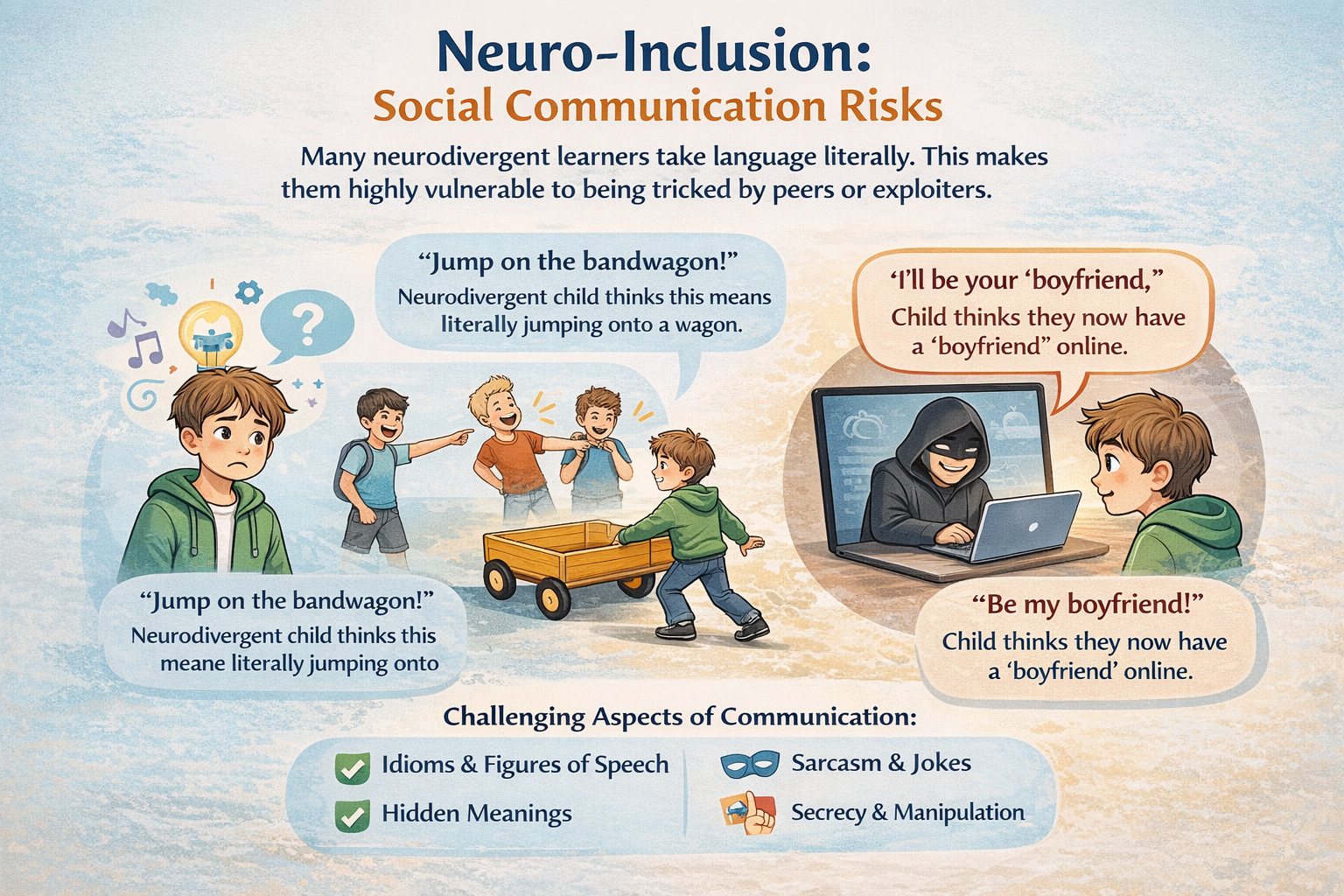
Neuro-Inclusion: Communication Risks
Literal Interpretation:
SEND learners are highly vulnerable to trickery. Model “Safe Professional Boundaries” explicitly. Literal thinkers can be misled.
 © Lane Anthony
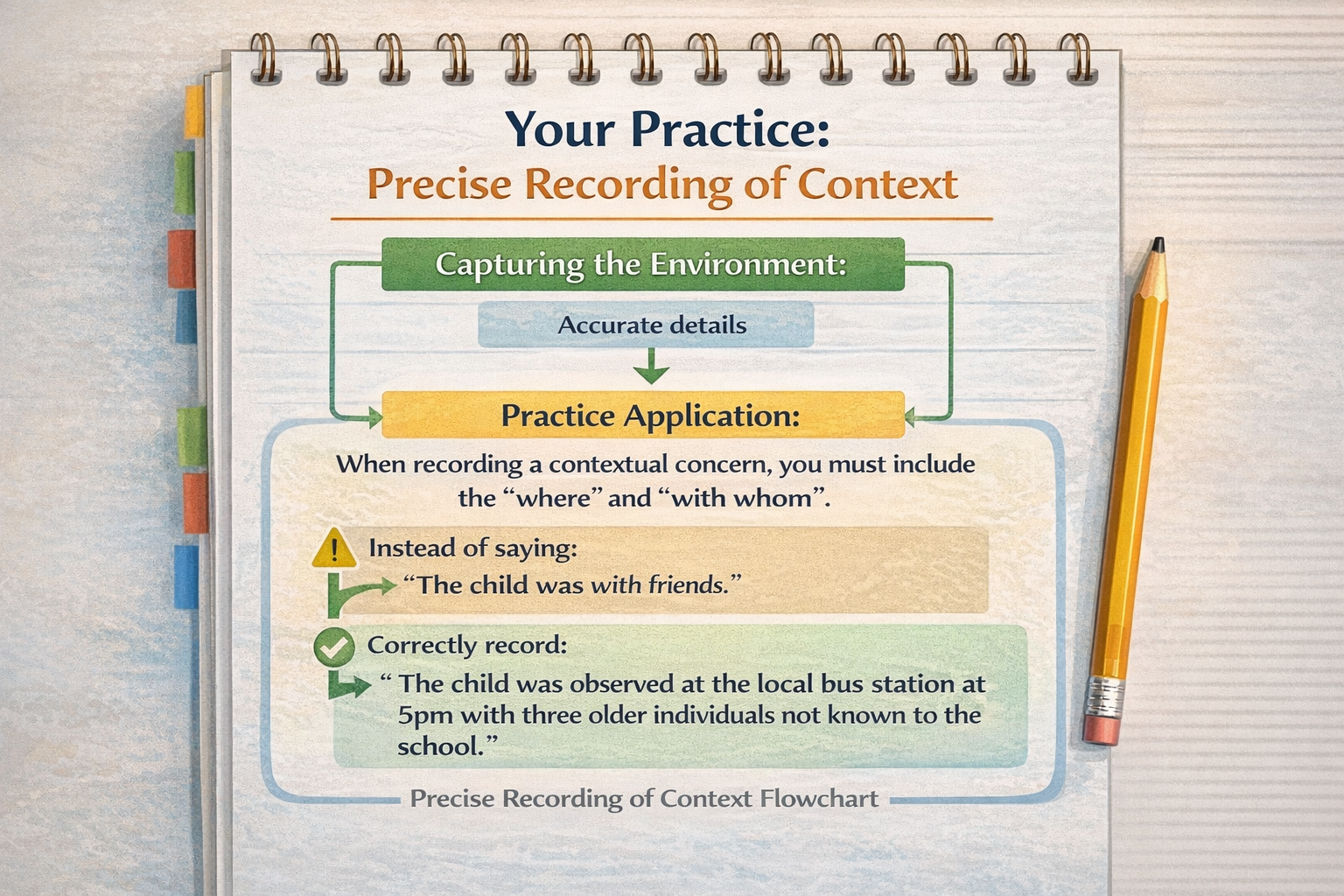
Your Practice: Precise Recording of Context
Environment Details:
Include “where” and “with whom”. Instead of “friends,” write exact location and description of individuals.
 © Lane Anthony